

Do You Need Rubber Bands With Braces? What They Do and Why They Matter
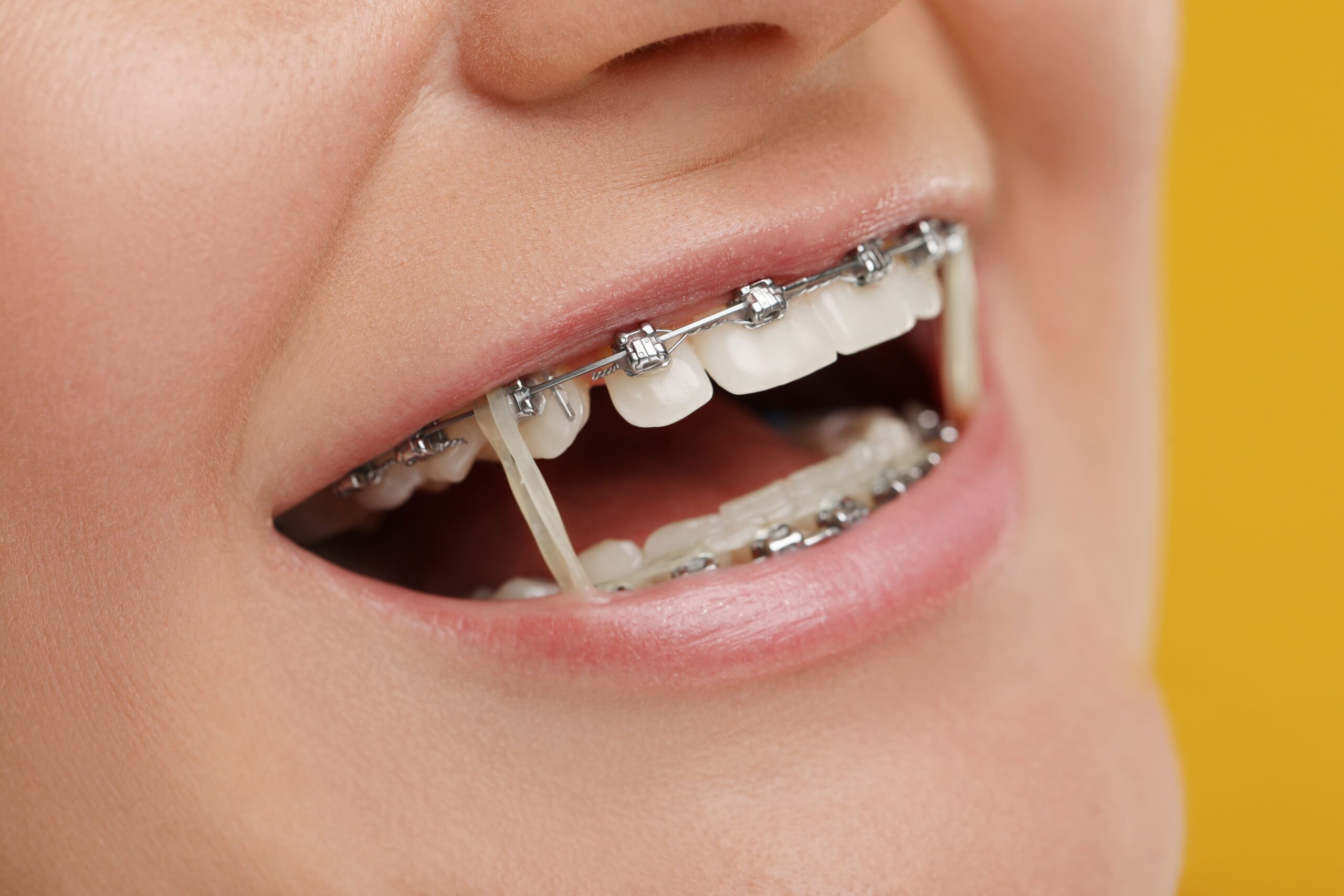
When you begin orthodontic treatment, it’s easy to focus on the brackets and wires that make up your braces. But for many patients, there’s another important part of the process: rubber bands, also known as elastics. These small additions may seem simple, but they play a powerful role in shaping your final results.
If your orthodontist recommends rubber bands, you might wonder whether they’re really necessary and what happens if you don’t wear them. The truth is that rubber bands are often the key to correcting your bite and completing your smile transformation.
What Are Rubber Bands and How Are They Different?
Rubber bands used in orthodontics are small, medical-grade elastics that connect between your upper and lower braces. They are different from the tiny colored bands that hold your wire in place. Those stay on your brackets, while rubber bands are removable and designed to be worn throughout the day.
Your orthodontist will show you exactly where to place them, and the configuration will depend entirely on your specific needs. No two treatment plans are exactly the same, which is why rubber band placement is customized for each patient.
What Do Rubber Bands Actually Do?
Braces are excellent at straightening teeth, but they don’t always fully correct how your upper and lower jaws align. That’s where rubber bands come in. They apply gentle, steady pressure that helps guide your bite into the correct position.
For example, if your upper teeth sit too far forward, rubber bands can help bring them back. If your lower teeth need to move forward, elastics can assist with that as well. Over time, this consistent force helps your teeth and jaws work together in a more balanced way.
This step is essential because a healthy smile isn’t just about straight teeth—it’s about how everything fits together when you bite, chew, and speak.
Why Are Rubber Bands So Important?
Many patients are surprised to learn that rubber bands are often what completes the treatment process. Without them, your teeth might look aligned, but your bite could still be off. That can lead to uneven wear on your teeth, discomfort in your jaw, or issues with chewing.
Rubber bands help fine-tune your results. They take the progress made by your braces and bring everything into proper alignment so your smile is both attractive and functional. In many cases, they are the difference between a good outcome and a truly great one.
Do All Patients Need Rubber Bands?
Not every braces patient will need elastics, but they are very common—especially for those with bite concerns. If your orthodontist prescribes rubber bands, it’s because they’re necessary for your specific case.
Patients with overbites, underbites, crossbites, or open bites are more likely to need them. Even mild alignment issues between the upper and lower teeth can benefit from the added guidance that rubber bands provide.
If you’re told to wear them, it’s not optional—it’s an essential part of your treatment plan.
What Happens If You Don’t Wear Them?
It can be tempting to skip wearing rubber bands, especially in the beginning when they may feel unfamiliar. However, not wearing them as directed can significantly impact your progress.
Orthodontic treatment relies on consistent pressure. When rubber bands are worn properly, they apply steady force that gradually moves your teeth and jaw into alignment. If you stop wearing them or wear them inconsistently, that progress can stall or even reverse.
This often leads to longer treatment times and may require additional adjustments later on. In some cases, it can prevent your bite from being fully corrected. Staying consistent from the start helps you avoid these setbacks and keeps your treatment on schedule.
Getting Used to Rubber Bands
There’s usually a short adjustment period when you first start wearing rubber bands. You may notice mild soreness or pressure as your teeth begin to respond. This is completely normal and typically fades within a few days.
Most patients find that once they build the habit, wearing rubber bands becomes second nature. Keeping extras with you and making them part of your daily routine—like putting them in after brushing your teeth—can make a big difference.
The more consistent you are, the faster your mouth adapts and the smoother your experience will be.
How Long Will You Need to Wear Them?
The length of time you’ll need rubber bands depends on your treatment goals. Some patients wear them for just a few months, while others may need them for a longer portion of their orthodontic journey.
What’s important to remember is that your cooperation directly affects your timeline. Patients who follow instructions closely often see faster, more predictable results. Wearing your rubber bands as directed helps ensure that every adjustment moves you closer to your final smile.
Are Rubber Bands Noticeable?
Rubber bands are small and relatively subtle. While they may be visible when you open your mouth wide, they’re not something most people will notice during everyday conversations.
More importantly, they are temporary. Any minor inconvenience or visibility is far outweighed by the long-term benefits of a properly aligned bite and a confident smile.
Why This Step Matters More Than You Think
It’s easy to think of rubber bands as a small add-on to braces, but they play a major role in your overall results. They are responsible for correcting the relationship between your upper and lower teeth, which is essential for both appearance and function.
When worn consistently, rubber bands help create a smile that not only looks great but also feels comfortable and works the way it should. Skipping them, even occasionally, can slow your progress and impact your final outcome.
This phase of treatment requires commitment, but it’s one of the most important steps in achieving lasting results.
Get the Guidance You Need From Belle Orthodontics in Belleville, TX
If you have questions about rubber bands, braces, or your orthodontic treatment, the team at Belle Orthodontics in Belleville, TX is ready to help you feel confident every step of the way. Clear instructions, personalized care, and ongoing support can make all the difference in your experience.
Whether you’re just starting treatment or need help staying on track, now is the perfect time to take the next step. Contact Belle Orthodontics in Belleville, TX today to schedule your consultation and stay on the path toward a healthier, more confident smile.